

This Lahore digital nomad guide was written by Samantha, an American woman who chose Pakistan as her base. Although many people told her it isn’t safe, Samantha has lots of great experiences to share about her journey!
Hello Trisha! Your Mexico blogs helped me during my last trip so thank you so much! I am considering going to South Asia and Pakistan is one of the destinations I have in mind. Although my family doesn’t agree, I did some research and found out that people actually go there! I would like to know what it’s like to travel there as a woman as well as Internet speeds. I love outdoors, but I still need to work! More questions: Is it safe? Will I have fun there? Can I do it? Please give me an advice!
– Quincy Tolliver, USA
Dear Quincy,
I’m glad you had fun in Mexico and that you are not thinking of moving on. What a bold move!
I love Pakistan (especially Lahore) but I am not currently updated – I haven’t been there in years! Though this blog is mostly read by Americans, bear in mind that I am not American.
With this, I invited a fellow digital nomad, Samantha. Like you, she is an American and has lots of experience traveling in Pakistan.
I guarantee that you will learn a lot from her! If you have any questions that weren’t answered in this post, feel free to leave a comment below or contact me (or Samantha) via Instagram.
Good luck, and I hope you make your way to Pakistan – you are going to love this country!
Now I give the floor to Samantha!
Xx, Trisha
? Seventeen years, five continents, and countless lessons: I’ve lived the digital nomad life so you don’t have to figure it out alone. Book a 1‑on‑1 call with me today and let’s design your freedom together.
BOOK A 1-1 COACHING →
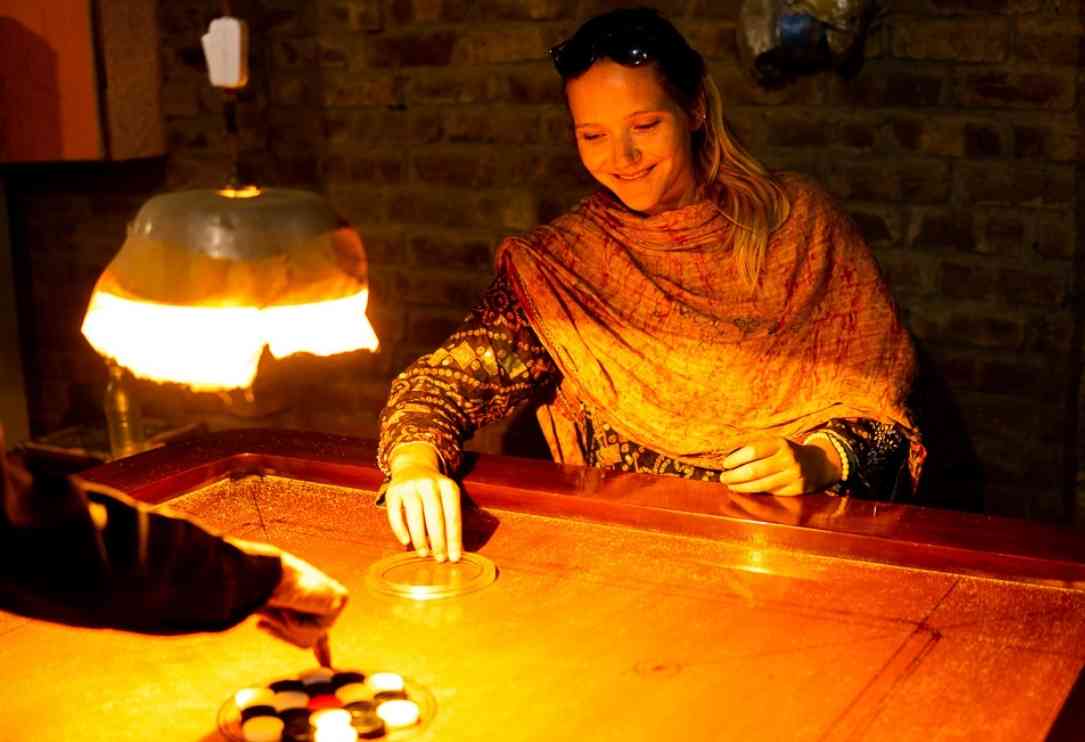
My name is Samantha, and I’m a full-time backpacker from the US. My work primarily involves my travel blog, which focuses on my backpacking adventures, along with freelance writing, copywriting, and occasionally social media management.
While I usually don’t find myself to be a fan of cities, I unexpectedly found myself living, working online, and subsequently falling in love as a Lahore digital nomad in the fall of 2019.
So much so that I have plans to return soon! After spending almost two months in Lahore and nearly four in Pakistan in general, I can easily say that Lahore is now my favorite city in the world and one of the most underrated (and virtually unknown) digital nomad cities in Asia.
I never planned on staying in Lahore so long; it was one of those things that just happened. When my boyfriend and I (who I travel with) first crossed into Pakistan from India, Lahore was just across the border and thus our first introduction to the country.
As I mentioned, I don’t like cities. But this one was different from day one. It was big but not TOO big, filled with dozens of fascinating historical sites and shrines, frequent and unique cultural events, and, most importantly, incredibly welcoming and hospitable people.
Though we only originally planned to stay in Lahore for a few days, a month soon passed as we came to adore the city. After eating at some of the best restaurants in Lahore, the foodie in me knew I was hooked. So much delicious cuisine is literally everywhere in this city.
Despite being a busy metropolis, another thing I loved about Lahore was how green it was. From tree-lined streets to beautiful parks like Bagh e Jinnah and Model Park, I loved knowing that there was always somewhere I could go to escape the chaos.
Though the capital Islamabad might be slightly greener and significantly quieter, I would choose Lahore a thousand times over. The city is like a dozen cities in one. It has neighborhoods that are hundreds of years old as well as modern shopping malls and extremely Western locales.
It’s truly the best of both worlds for travelers that want to feel totally immersed in a new and vibrant culture while still having all kinds of amenities at hand.
As far as upload speeds and connectivity goes, I was surprised and amazed that working from Lahore was no different from working back home in the US.
4G data with carrier Zong was fast enough for everything I needed to do (including hotspot use), and I found WiFi in the cafes and coworking spaces I frequented to be great.
I spent most of my time in Lahore in both Gulberg and Cavalry Ground neighborhoods. Both of these are relatively quiet and modern, yet still, a quick rickshaw ride away from any bazaar, park, or restaurant I wanted to go to.
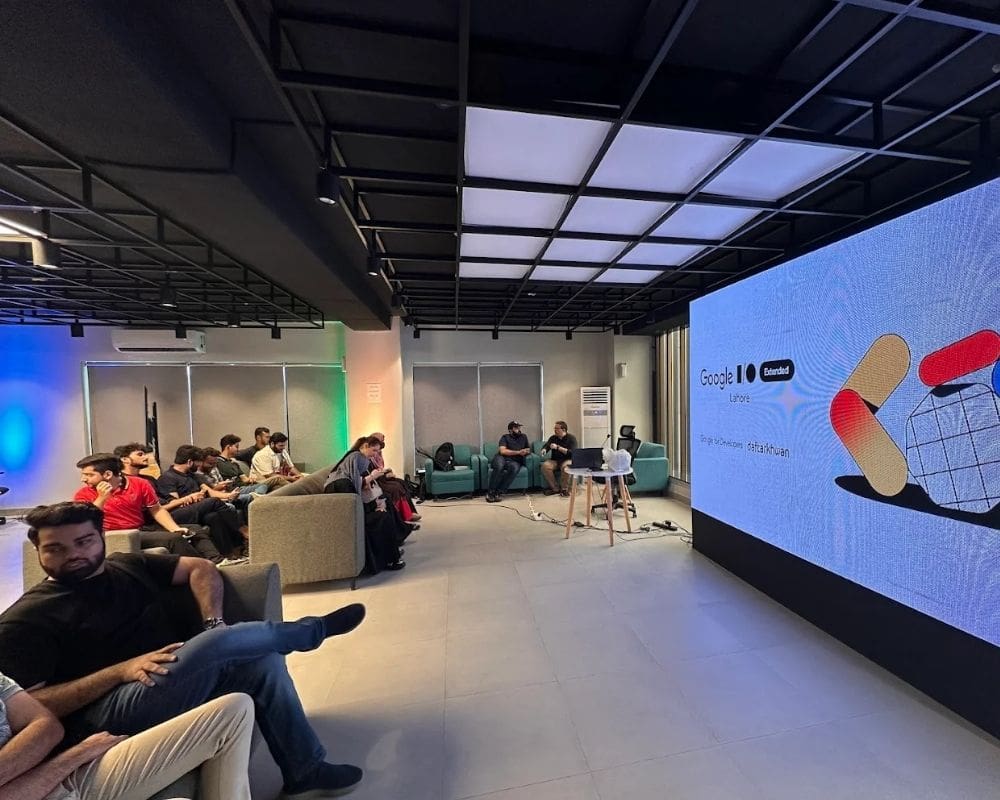
As both Lahore and Pakistan are still up-and-coming on digital nomads and traveler’s radars, the foreign DN scene here is certainly not as thriving as in other Asian cities.
Nevertheless, Pakistanis are unbelievably friendly and you will have no problem at all connecting with them in cafes and coworking spaces. Another great way to connect and meet young, like-minded Pakistanis is through Couchsurfing.
While this might not be ideal for all digital nomads, we met some incredible people through this app including one amazing host (and now friend) that we spent quite some time staying with.
While there might not be a lot of digital nomads in Lahore, that does not mean there are none. Many travelers in Pakistan are digital nomads, and there are luckily plenty of ways to connect with them.
The best way to connect with others in Lahore is through the Lahore Expats Facebook Group. There, you can connect with other digital nomads currently in Lahore, find housing, learn languages like Urdu, and more!
Another group that I recommend which isn’t all about ads and random posts (like real conversations) is Expats & Dual Nationals living in Pakistan.
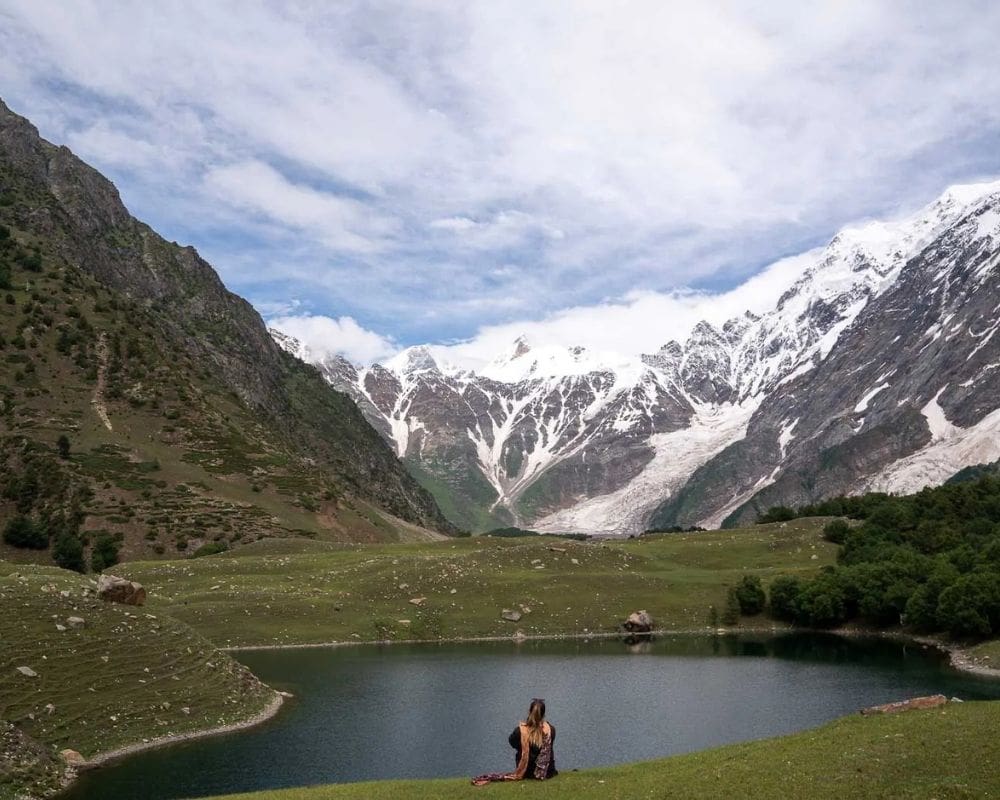
It’s totally understandable if you wouldn’t have expected Pakistan to have great internet access. I didn’t either! But the reality on the ground was amazing.
I found the internet surprisingly reliable across different settings. All major cafes I worked from had it, and I never had any problems uploading large numbers of media files, video chatting, or doing any other task required for my blog and other work.
Even the hostels in Lahore I stayed at were budget‑friendly yet offered surprisingly good and reliable WiFi, making it easy to work without interruptions.
In rental homes with fibre providers like Nayatel or StormFiber, speeds often exceeded 200 Mbps, making video calls and uploads seamless. Cafés and restaurants usually offered WiFi in the 30–50 Mbps range, which was more than enough for everyday work.
On the go, mobile data averaged around 34 Mbps, so tethering my phone as a hotspot kept me connected without issue.
Overall, Lahore’s internet speeds were strong compared to much of Pakistan, giving me confidence to work from almost anywhere in the city
SIM cards are king in Lahore, and when traveling through Pakistan in general, and luckily, they’re incredibly cheap and reliable.
ZONG remains the top choice for Lahore digital nomads. Their Monthly Pro Plus package now offers 60 GB of data for about $6 USD, along with thousands of minutes and SMS.
A weekly version is available for around $2.30, making it easy to stay connected even on short stays. These bundles are prepaid and must be renewed at a franchise location unless you have a local debit card for online payments.
With this plan, you can use your phone as a hotspot and work from virtually anywhere, even without WiFi.
Other operators in Pakistan include Telenor, Jazz, and SCOM (the latter serving mountainous regions). While Telenor and Jazz also provide coverage in Lahore, ZONG remains the most reliable option and is equally strong in Islamabad and Karachi.
For trips outside Lahore, keep in mind that Telenor performs best in Khyber Pakhtunkhwa (KPK), while SCOM is essential in Gilgit Baltistan.
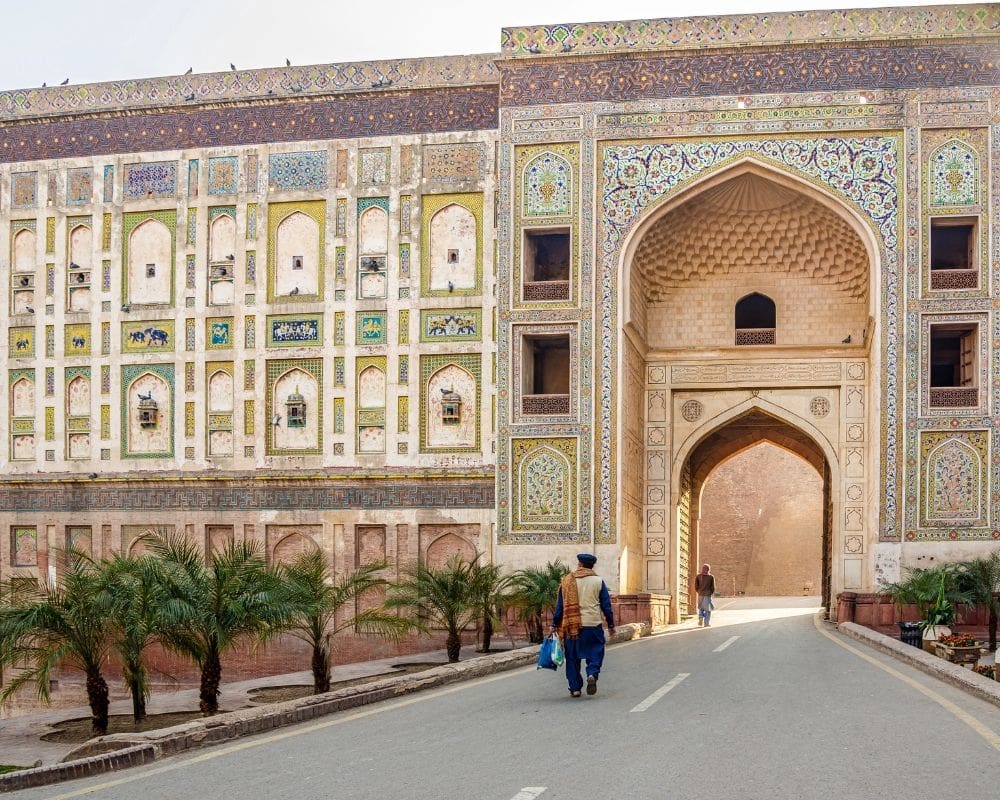
Lahore is an extremely affordable city for foreigners, especially if you’re traveling with a partner. We each spent no more than $10-$15 a day, with some days amounting to much less than that.
While you can certainly get fancier, it would be difficult to spend more than $30 a day unless you’re intentionally choosing to stay in an expensive hotel.
The hotel we stayed in the longest (Rose Palace Hotel in Gulberg) was absolutely perfect for us and was about $18 per night and included fast WiFi, hot water, air conditioning, a comfortable bed, and spacious rooms.
The hotel was in a very quiet area of the city and surrounded by various cheap restaurants, including a tikka place and a smoothie shop. I cannot recommend this hotel enough.
If you’re looking for something cheaper but lower quality as a digital nomad in Lahore, Lahore Backpackers is the city’s most well-known hostel.
While a great place to meet other travelers, I would only recommend staying here if you want to stay in the cheapest place possible.
Hostel beds are about $10 a night, but the building is very old and cannot really compare to Rose Palace. Airbnb does exist in Lahore, though listings are not as plentiful as in other cities.
If you know for sure that you want to stay in Lahore long term, renting one or renting a non-Airbnb-associated apartment could be your best bet, with rates of $200 or even less very possible.
See You in Pakistan and The Karakoram Club Facebook groups may be good places to connect with locals who can advise you further in your search.
As for food, this is still the best part of Lahore. You can eat generously for very little if you stick to street food and local shops. A full day of meals can cost as little as $3–5 USD, making it easy to stay full on a budget.
Transportation remains cheap thanks to Uber and Careem, with most rides costing $1–3 USD, while even an hour‑long trip rarely exceeds $8–10 USD.
Careem works much like Uber, though foreigners usually pay in cash. The Orange Line Metro, which now covers much of the city, charges a flat fare of about $0.15 USD per ride, making it even more affordable than ride‑hailing.
For miscellaneous expenses, healthcare is surprisingly accessible: a private doctor visit in Lahore typically costs $5–15 USD, with medication priced affordably.
Compared to many countries, this makes everyday living and even medical care remarkably inexpensive for digital nomads.
Here’s a sample Lahore digital nomad monthly budget ($1,000 per month):
| Expense Category | Estimated Monthly Cost (USD) | Notes |
|---|---|---|
| Accommodation | $400 | 1‑bedroom apartment in Gulberg or DHA with fibre internet. |
| Food & Dining | $250 | Mix of groceries, street food, and mid‑range restaurants. |
| Coworking & Internet | $120 | Hot desk membership + backup mobile data. |
| Transportation | $80 | Careem/Uber rides + metro pass. |
| Leisure & Social | $100 | Gym, cafés, cultural outings, social events. |
| Health & Insurance | $30 | International health insurance or local coverage. |
| Miscellaneous | $20 | Household items, phone plan, unexpected costs. |
Total: $1,000 USD
If you want to go on a lower budget, that’s actually possible! Here are some key insights on the cost of living in Lahore for digital nomads:
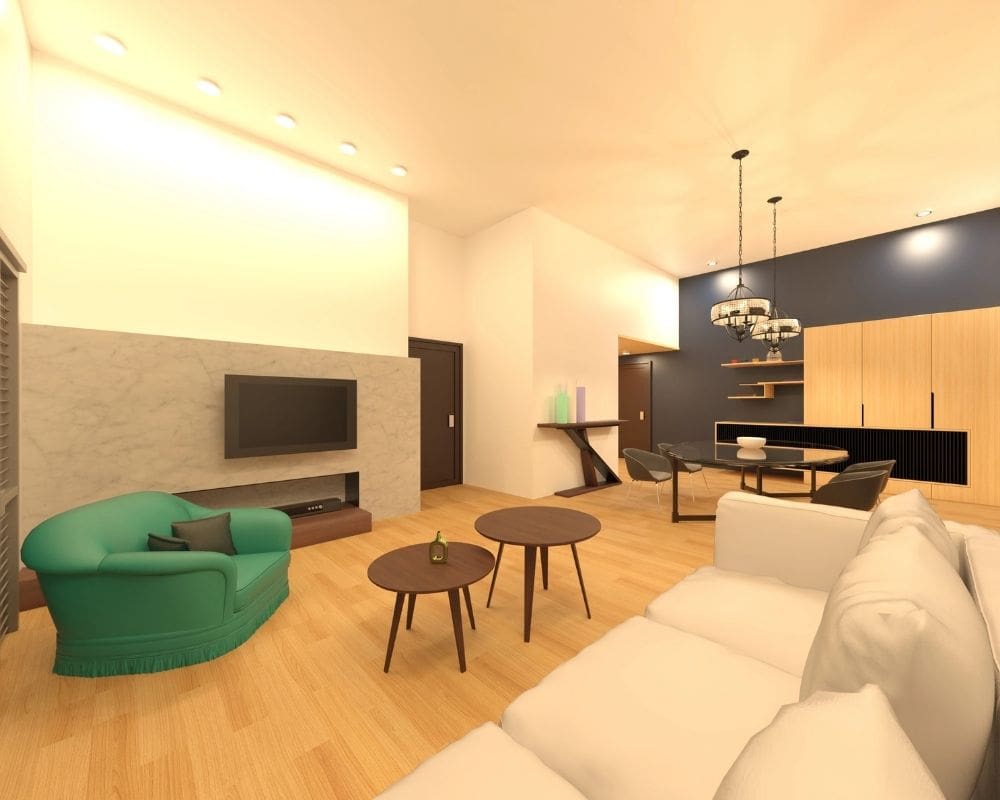
If you’re not in Lahore yet, the best housing plan is to structure your arrival with a clear timeline. Start by booking a serviced apartment for 7–10 days. This gives you a safe landing spot, reliable internet, and time to explore neighborhoods without rushing into a lease.
During this first week, join Lahore Expats Facebook Group, where landlords post daily listings.
By day 5–7, begin visiting properties in person, focusing on Gulberg and DHA, which are favored for fibre internet and backup power.
Use Zameen to compare listings and check price ranges. By the end of week two, negotiate a lease — expect $150–250/month for basic apartments outside the center or $400–500/month for furnished flats in prime areas.
Confirm utilities and internet upfront, since fibre providers like StormFiber or Optix are essential for remote work. This timeline ensures you arrive smoothly, avoid scams, and secure housing that supports both your lifestyle and work needs, balancing flexibility at the start with stability once you’ve found your ideal neighborhood.
?️ VIEW LAHORE DIGITAL NOMAD HOUSING MAP →
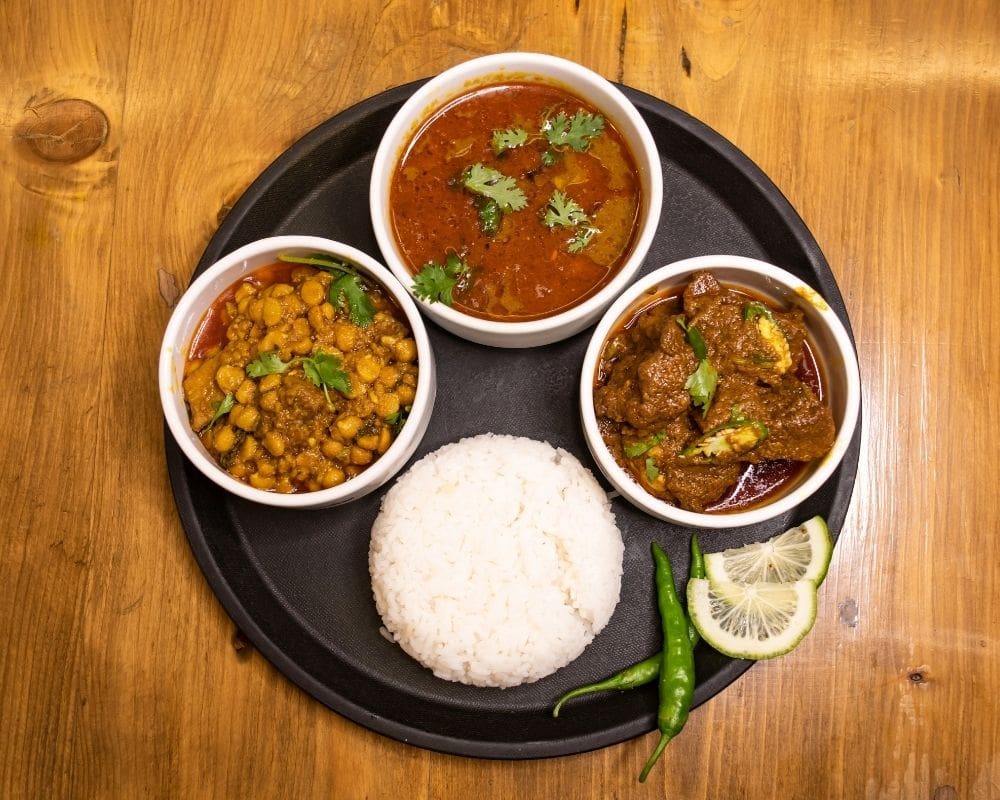
Food in Lahore is one of the most rewarding parts of daily life as a nomad because it’s both diverse and accessible. I can find hearty local meals that fit any budget, from rich curries and grilled meats to lighter vegetarian options.
If I want to cook at home, supermarkets carry international staples while wet markets and public bazaars overflow with fresh produce, spices, and street snacks.
Eating out is easy too. Casual shops serve filling plates for just a few dollars, while modern cafés cater to health‑conscious diets with salads, smoothies, and espresso.
Nomads with special diets will find Lahore surprisingly adaptable. Vegetarian meals are easy to source through lentil dishes, chickpea curries, and fresh produce from wet markets.
Vegan options are limited but available in modern cafés offering salads, smoothies, and dairy‑free alternatives. Gluten‑free staples like rice and grilled meats are common, while supermarkets stock imported health products.
Here’s a Lahore Digital Nomad Food Guide (2026) that blends lifestyle, diet options, and practical tips for everyday eating:
Lahore’s food scene is a mix of tradition and modern convenience. You can balance street eats, home cooking, and café culture depending on your lifestyle.
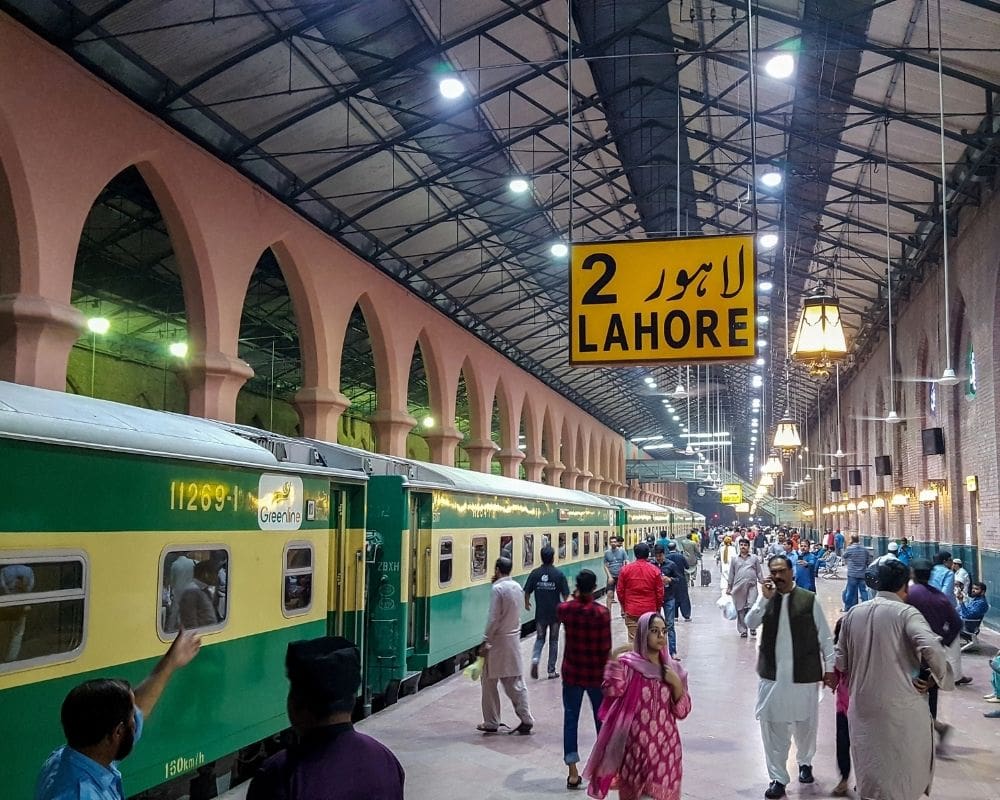
As a Lahore digital nomad, getting around the city is surprisingly easy once you know the options. You’ll rely on the Metro and ride‑hailing apps for daily commutes, while rickshaws are perfect for short errands through busy markets.
For longer trips, whether heading to the airport, exploring the outskirts, or visiting the Wagah Border, private cars with drivers are the most convenient choice.
Together, these transport modes create a flexible system that balances affordability, accessibility, and comfort for nomads settling into life in Lahore.
If you’ve never been to Lahore, let me walk you through how you’ll actually get around as a digital nomad. step by step, the way locals and expats do it:
I personally enjoyed working at all these cafes as a digital nomad in Lahore. Though they all offer free WiFi with any purchase, any cafe in Lahore can be a workable space since your phone can effortlessly be used as a hotspot anywhere in the city:
? 25-B/2 Mian Mehmood Ali Kasoori Rd, Block B2 Block B 2 Gulberg III, Lahore
There are many Gloria Jean’s in Lahore but this location was my favorite! The seating was super comfy and spacious, it was very quiet, and the WiFi was strong and reliable. This was the cafe I spent the most time in.
To stick to my backpacker budget, I usually would order a small dessert here like a brownie which is a bit less than $2. Coffees and teas start at $2.37. And on the electrical front, there were numerous seats with plugs here.
? Mall 94 Fashion Ave, Gaba St, Block D1 Gulberg III, Lahore
You cannot be a digital nomad in Lahore without visiting Mocca, as the trendy spot is quite famous amongst young people in the city. This location offers free Wifi which was quite good when I was there, as well as rooftop seating.
As for plugs, some but not all seats have access to them. The atmosphere is sophisticated, and also can be a hangout depending upon when you go. I recommend coming here during the day to avoid the post 9-5 rush.
Smoothies here cost about $3 and food items are between $7-$10 which is VERY expensive for Lahore. Nevertheless, this is a perfect place for nomads to go if they’re missing Western foods and vibes!
? Fountain Avenue،, Main Blvd Gulberg, Block H Gulberg 2, Lahore
This spacious cafe has tons of tasty options and good WiFi. I always got a lot done here and met some people as well. Some seats have access to plugs while others do not, so check out the scene before setting up your things.
Prices here are similar to the aforementioned cafes, and I definitely splurged on the delicious oreo shake, which costs just under $3 USD.
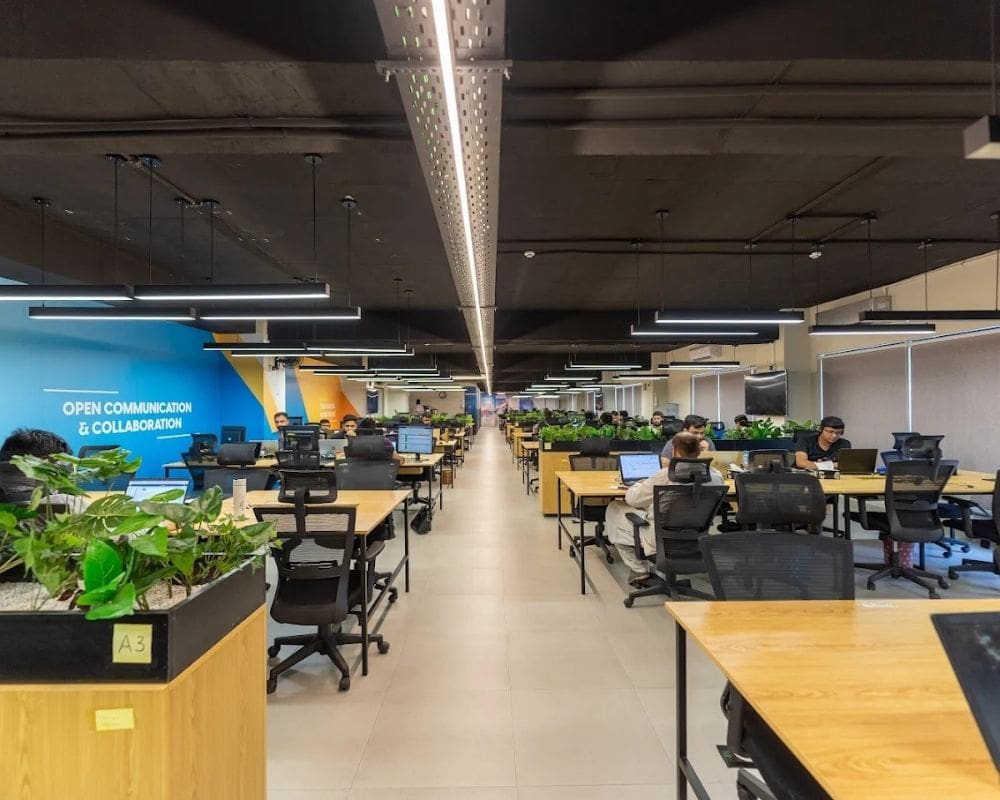
Coworking spaces in Lahore have a professional yet welcoming vibe, blending startup energy with a community feel.
I noticed they’re often filled with young entrepreneurs, freelancers, and small teams, creating a collaborative atmosphere rather than a silent library. Networking events and casual tea breaks are common, making it easy to connect with locals.
Prices are affordable compared to global hubs: hot desks range from $3–5 USD per day, while monthly memberships average $60–120 USD.
Backup power and fibre internet are standard, so you can work confidently without worrying about outages. Here are my favorite co-working spaces in Lahore:
This beautifully designed coworking space is located on a quiet street in Gulberg, right next to the Gloria Jean’s Coffee Shop that I mentioned above. The space offers unlimited tea or coffee and is a bit expensive for budget travelers like myself, but worth it if you’re looking for a pristine work environment.
A desk here costs about $10 USD per day and a nicely discounted ~$100 USD per month. I also found it great that this company has a “per day” option as some other spaces require a month’s commitment.
Daftarkhwan is available from 9 AM-6 PM with the regular packages but also has “nocturnal” options as well.
There are four locations in Lahore: One, Downtown, Boulevard, and Vogue.
? 58-A2 Tipu Rd, Block A-2 Block A 2 Gulberg III, Lahore, 54000, Pakistan
Kickstart is another popular and well-known coworking space that digital nomads in Lahore should know about. Aside from unlimited tea/coffee and free high-speed WiFi, this location also comes complete with a fitness studio which you might find appealing.
At the 62-C2 office, there’s also a terrace which is perfect for work breaks. The “Hot Desk” is the best option here for $81/month, which gives you 24-hour access Monday-Friday.
?50-N Gurumangat Rd, Block N Gulberg 2, Lahore
Colabs is a coworking space in Lahore that features a modern design and flexible membership options. A day pass costs 1500 PKR ($9.36 USD) while a month costs about 15,000 PKR ($100 USD).
The space also has private offices available for rent for around 20,000 PKR (~$125). Like the other coworking spaces in the city, coffee, tea, and WiFi is free and unlimited.
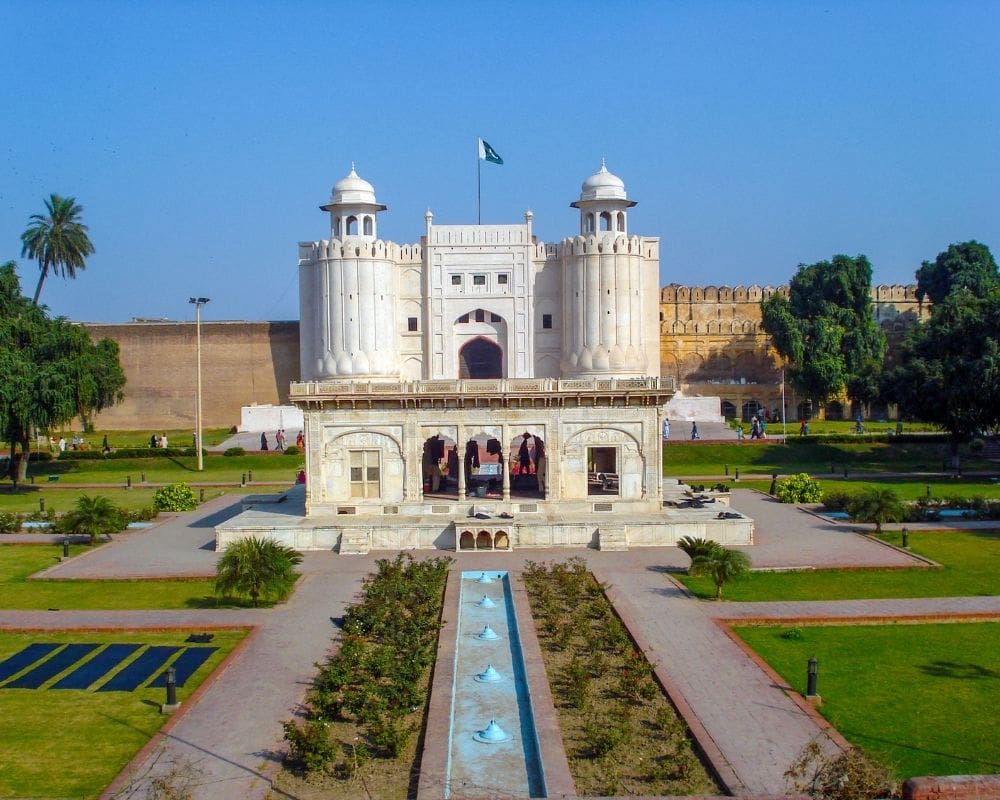
Leisure in Lahore isn’t just downtime. It’s part of the whole experience of being here. As someone settling in as a digital nomad, I find that free time naturally fills up with things to do that keep me connected to the city’s energy.
There’s always a mix of cultural exploration, social gatherings, and everyday adventures that make life feel full. I might spend an afternoon wandering through lively markets, join friends for food and conversation late into the night, or simply take in the atmosphere of the city’s parks and streets.
Even ordinary routines feel layered with richness, because Lahore offers so many ways to enjoy life outside of work. Here are some of the best things to do in Lahore:
Pakistan does not currently offer a dedicated “digital nomad visa.” Most nomads enter on a tourist eVisa (30–90 days, extendable to 6 months) or, if eligible, a business visa.
In practice, foreigners rely on tourist visas plus extensions or visa runs to nearby countries.
Before coming to Pakistan, I applied online for a Pakistan eVisa, choosing the tourist category that allows me to stay for 30 to 90 days (depending on nationality).
Make sure your passport is valid for at least six months, and prepare supporting documents like a return or onward flight ticket, proof of accommodation, and a recent bank statement in case immigration asks for proof of funds.
Once I arrived, immigration checks my visa approval letter and passport, but they don’t require insurance, even though I carry it for peace of mind.
You can extend your tourist visa at the local immigration office in Lahore, Islamabad, or Karachi, usually for another 30 to 90 days. If you want to stay longer, plan visa runs to nearby countries like the UAE or Sri Lanka, then re‑enter Pakistan with a fresh tourist visa.
This approach lets me live and work as a Lahore digital nomad without needing residency or a special visa, while keeping my stay legal and flexible.
| Visa Type | Duration | Eligibility | Notes |
|---|---|---|---|
| Tourist eVisa | 30–90 days | Most nationalities | Extendable at Regional Passport Offices up to 6 months. Double entry allowed. |
| Business Visa | Up to 5 years | Citizens of 96 countries with business ties | Multiple entry, processed quickly at embassies. Useful if you run a registered company. |
| Remote Work Pathway | 6 months (renewable) | Freelancers/remote workers earning $1,500+/month | Low fee (PKR 100), processing 2–6 weeks. Still evolving; not universally recognized. |
| Visa on Arrival | 30 days | Limited nationalities | Must apply online first (“Visa in Your Inbox”). |
 PHPTRAVELS v8